
Collector’s Corner: Emily Mauldin
An interior designer on collecting women artists, trusting your instincts, and embracing the weird.
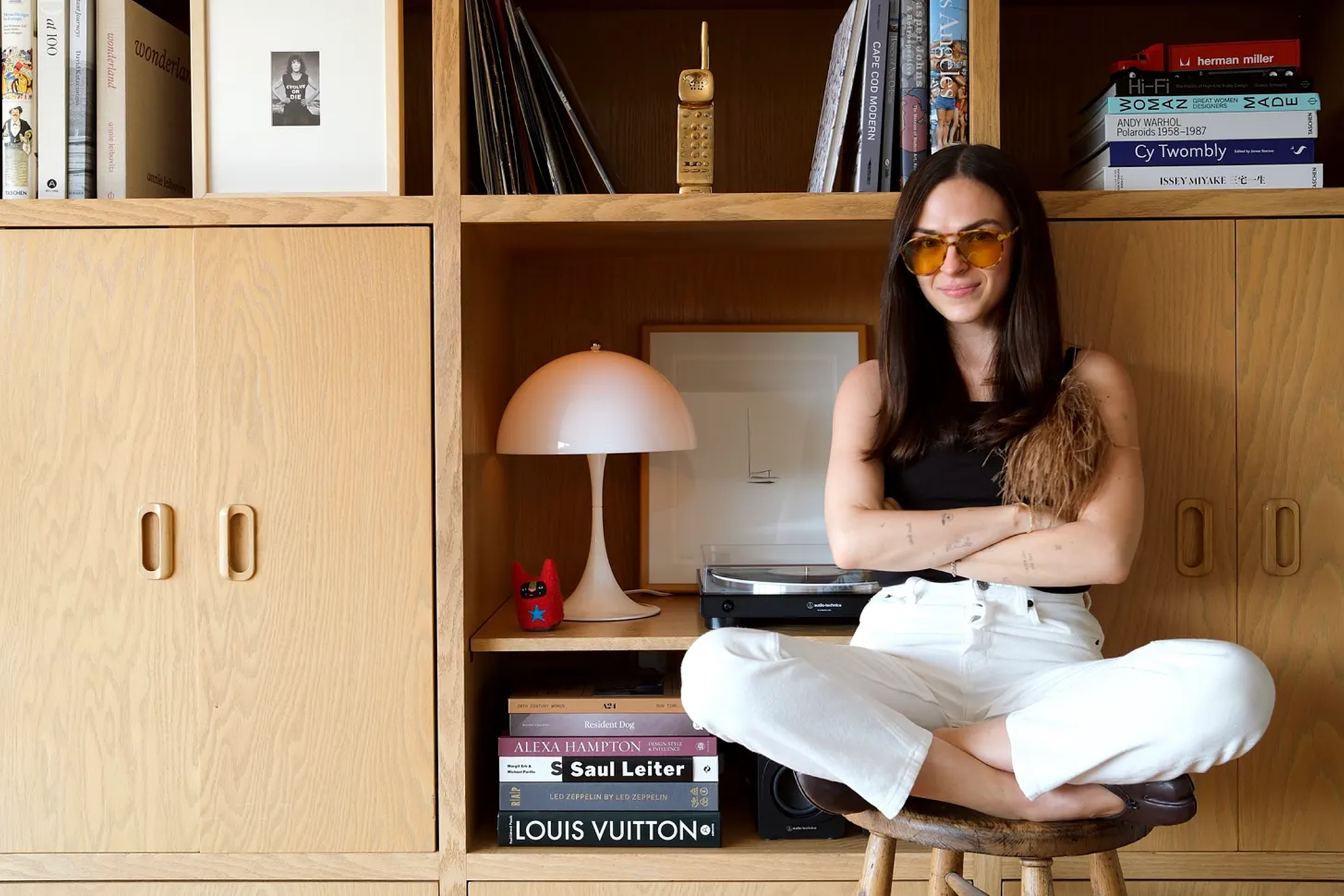
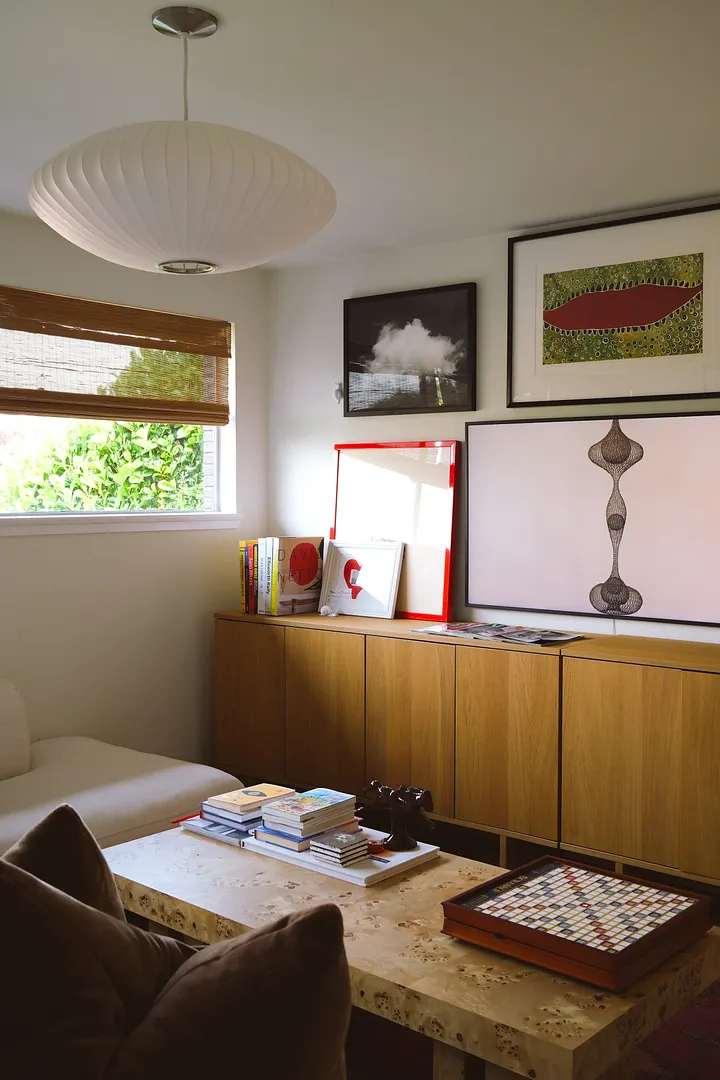
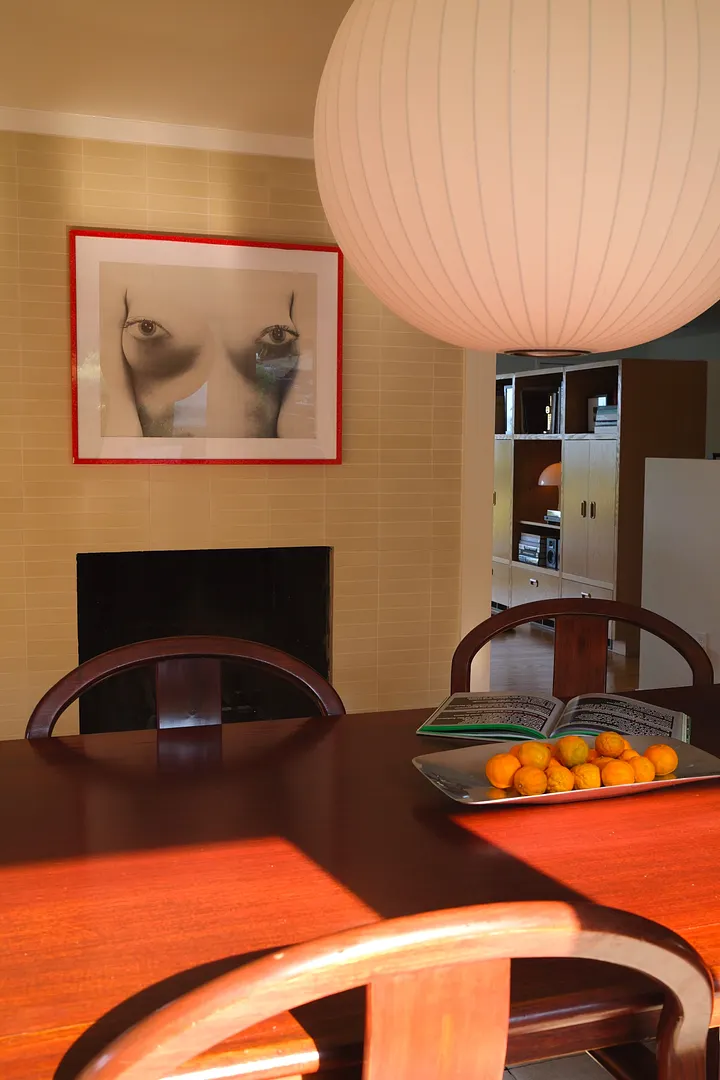
Meet art collector, Emily Mauldin. She is an interior designer based in Seattle and Austin, and her style is unequivocally fun but still polished. And what struck me most about her home is that art is the main character of her space. I have been watching her on TikTok and always enjoy her content on design, female artists and how to make the home fun! There really isn’t any corner of her home that I don’t love. And I love her mix of modern, contemporary and pockets of antique pockets. It’s eclectic without being messy. Homes reflect who we are, and I have a feeling
A home tells you a lot about the person who lives there. You can walk into a space without knowing anything about its owner and still come away with a pretty good sense of who they are. And after seeing Emily’s home, I already know I’m a fan and, frankly, would like a seat at her table.I hope you enjoy her space as much as I have and get inspired to make your art the center of your home.
How did you start collecting art?
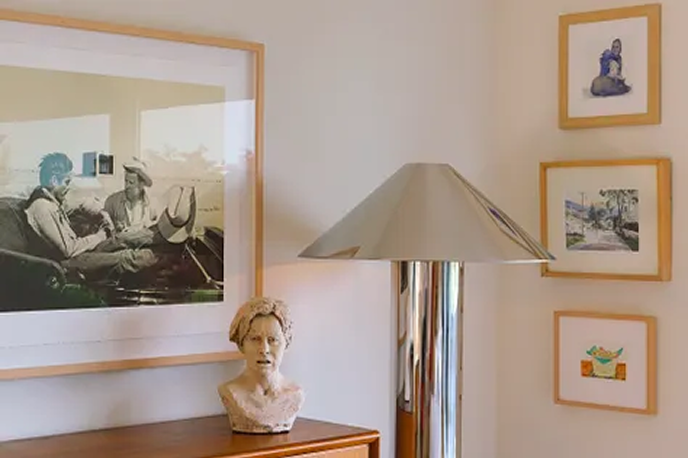
You know how some people can sit down at a piano and just play, no lessons required? There was a girl like that in my elementary school, but with art. She’d pick up a pencil and do the coolest things with it. I remember being in such awe, especially since I could barely manage the measly oil pastel fruit bowl. So I’ve always admired art without ever being “good at it” in the textbook sense. Learning about collecting became my ticket into the art world instead. My mom gave me my first piece, a watercolor by Wini Smart depicting the street where I spent summers in Maine as a kid. That’s the moment I understood how art can transport you to a memory or a feeling in a way nothing else can. It’s the piece that knocked the first domino over.
Can you share your background with art and design?
I founded my design business, Emily Mauldin Design, at the end of 2025. I was coming from a tech and media background, and had been designing friends’ houses on the side for a couple of years before that. Once I pursued it full time, I finally felt like I’d found my thing.
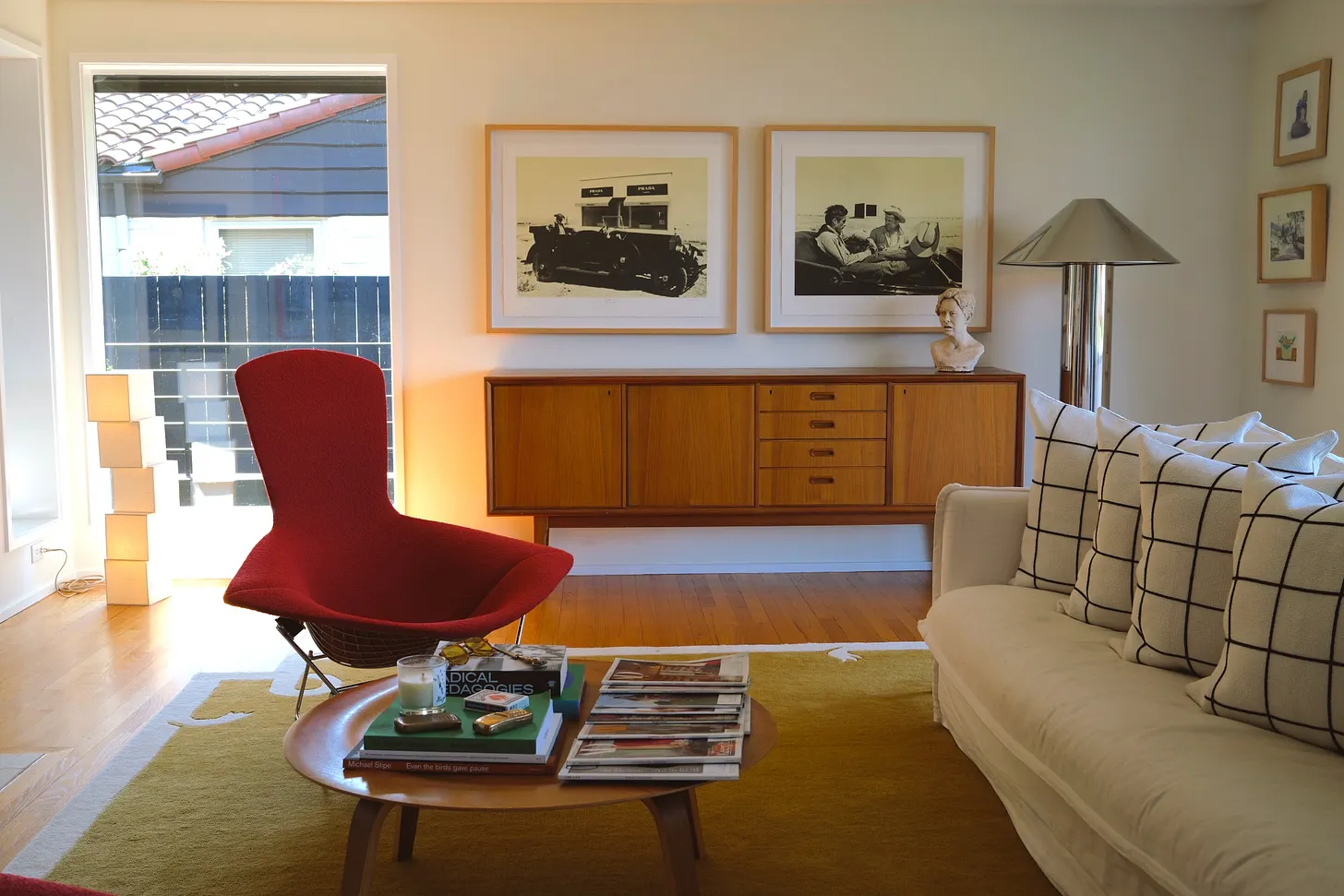
I noticed a gap in the industry for design help that wasn’t full service, with the retainers and markups. My favorite part of the process has always been sourcing, so I built a product around it called The Deliverable, where I collaborate creatively with clients to find the pieces they actually want for their homes. I mostly work with women in their late 20s to mid 40s who are upgrading from the IKEA thing. It’s a lot of fun. And as an art fan and patron myself, I always knew my design practice would be art forward. To me, a house is only as good as its art.
What role does original art play in your projects?
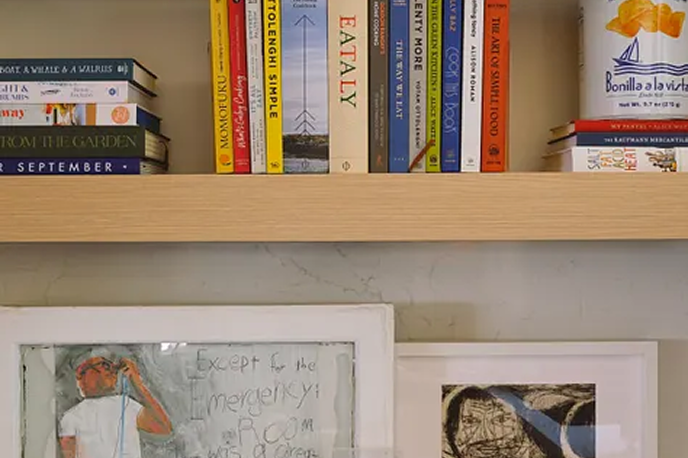
Original art is everything. There’s something interesting about putting an original next to a poster, you can literally feel the difference. The original has an aura the poster just can’t match. Not that I’m against posters, I have some too, but just knowing a human was brave enough to make something, and that it’s hanging in your house, is wild, and a real privilege. I bought two pieces recently from an artist, Kurt Liebert, and when I picked them up, the gallery asked if I wanted the CD that came with the work- Liebert’s own original music. The album cover was a fish riding a bicycle in a bikini top, and the music was just as strange.
How do you think about displaying your collection? Is it practical or intuitive?
Completely intuitive. I go by whatever scratches an itch in my brain, which usually comes down to irony. I once used the guest bath at a major collector’s home and came face to face with an original Picasso while sitting on the toilet. I never forgot that feeling, and I try to recreate it now. On principle, I like putting the most “valuable” piece somewhere completely unassuming. Also, good placement creates friction. I have C. Jeré fork and knife sculptures, and I’d never hang them in the kitchen. Too on the nose.
Is there a piece you regret not buying?
YES. There was a surrealist piece I saw in New Orleans in 2016. A palm tree with coconut breasts. I didn’t buy it, and I don’t know who the artist was. It still haunts me.
What’s one misconception people have about collecting art?
That it has to be serious or intimidating. People assume art spaces are exclusionary, and I’ve found that to be rare. The good art people just want your curiosity to be fed and for the world to be a more art-filled place.
Which city has most influenced your aesthetic?
Marfa, Texas, without a doubt. It might be my favorite place ever. You feel like you’re in a contemporary art gallery, but on the moon. Something about the landscape, being in the middle of nowhere, gives the art a bite I haven’t found anywhere else. Donald Judd draws people there, sure, but there’s a whole ecosystem of young artists and experimental galleries worth your attention too. The first time I visited, I felt seen. It changed everything for me, and I seriously considered moving there. I still think about it.
What three words would you use to describe your collection?
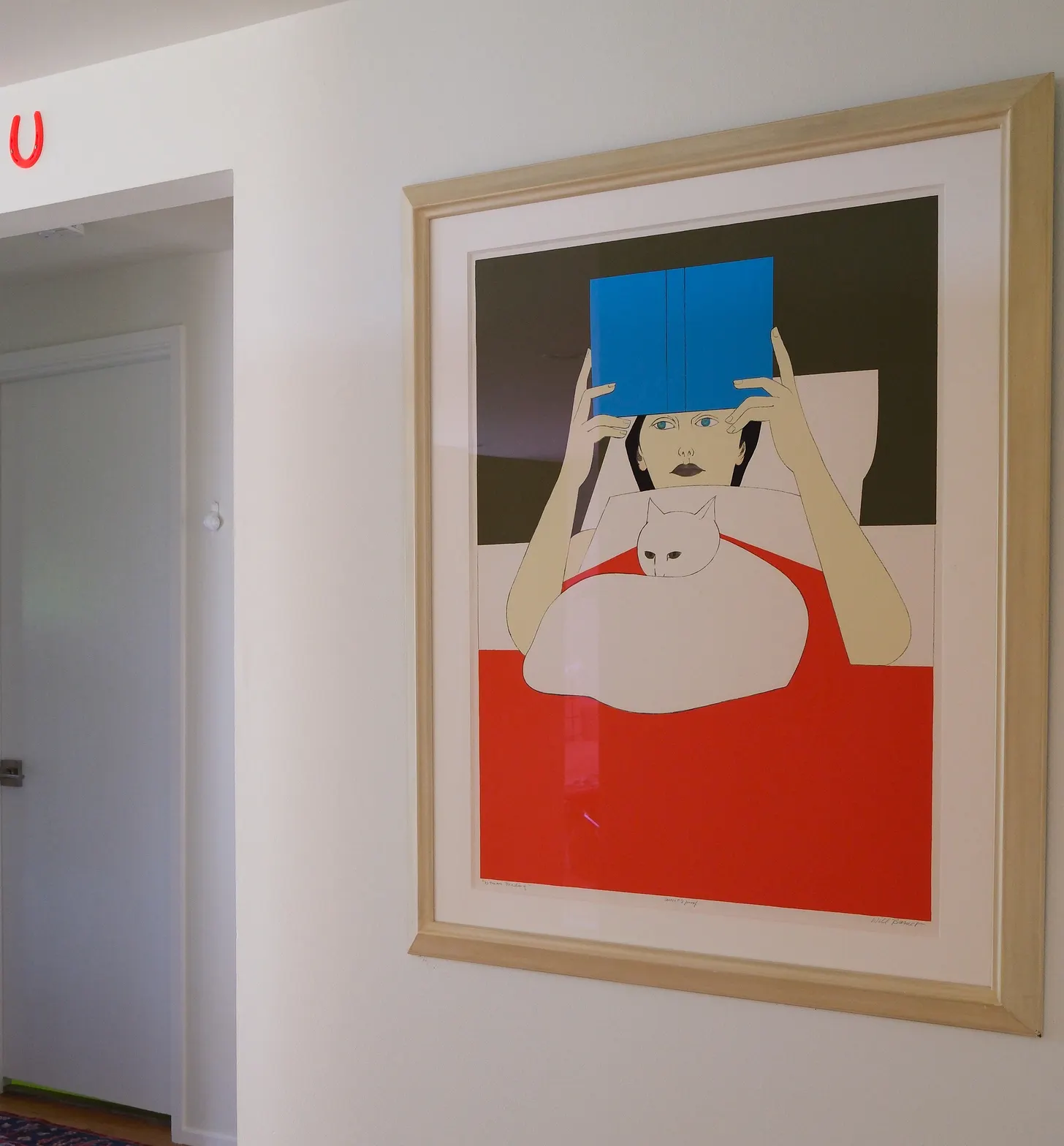
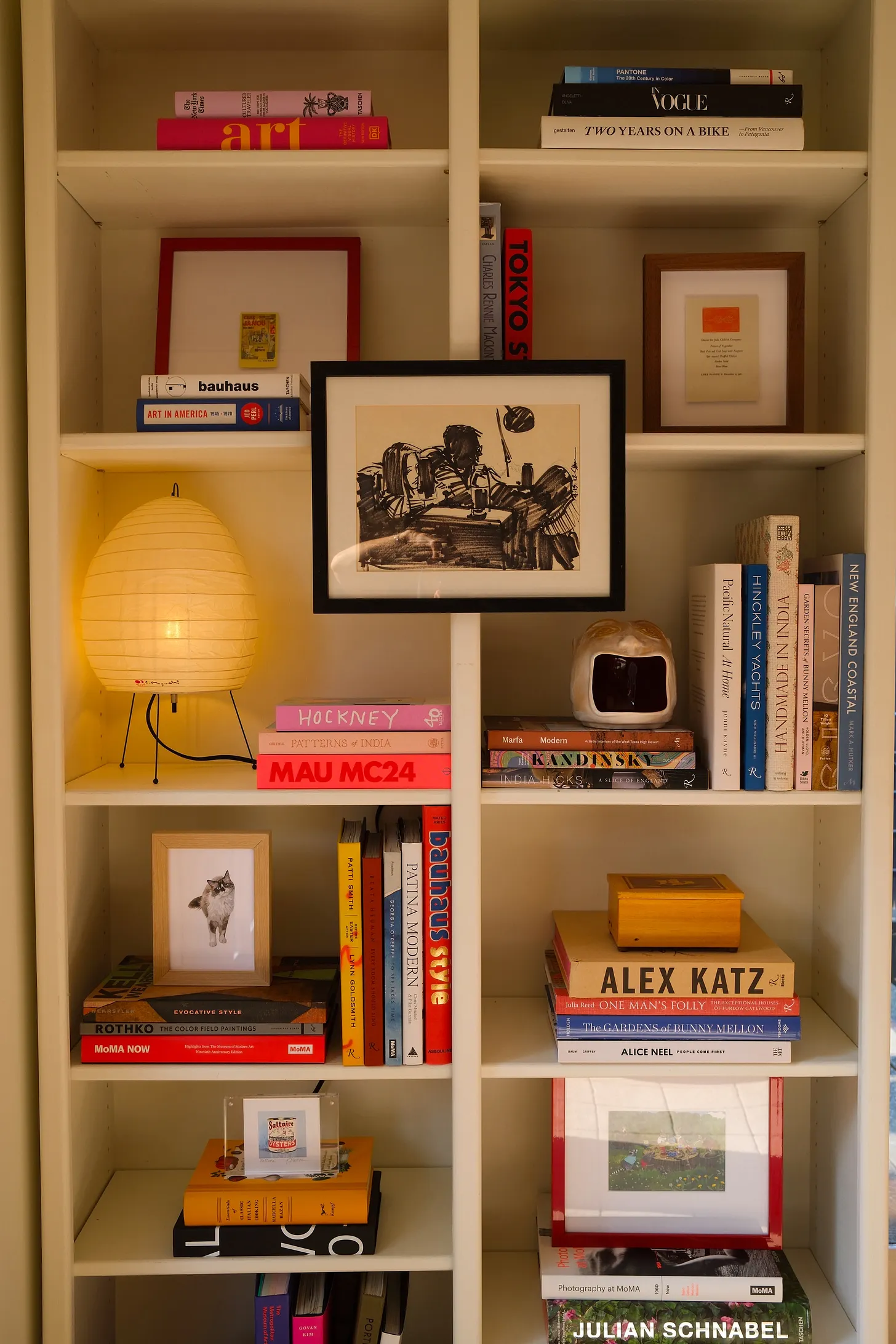
Decisive, incoherent, and feminist. I pick what I like, and it doesn’t have to make sense. I try to collect mostly women artists.
How has your taste evolved over the last decade?
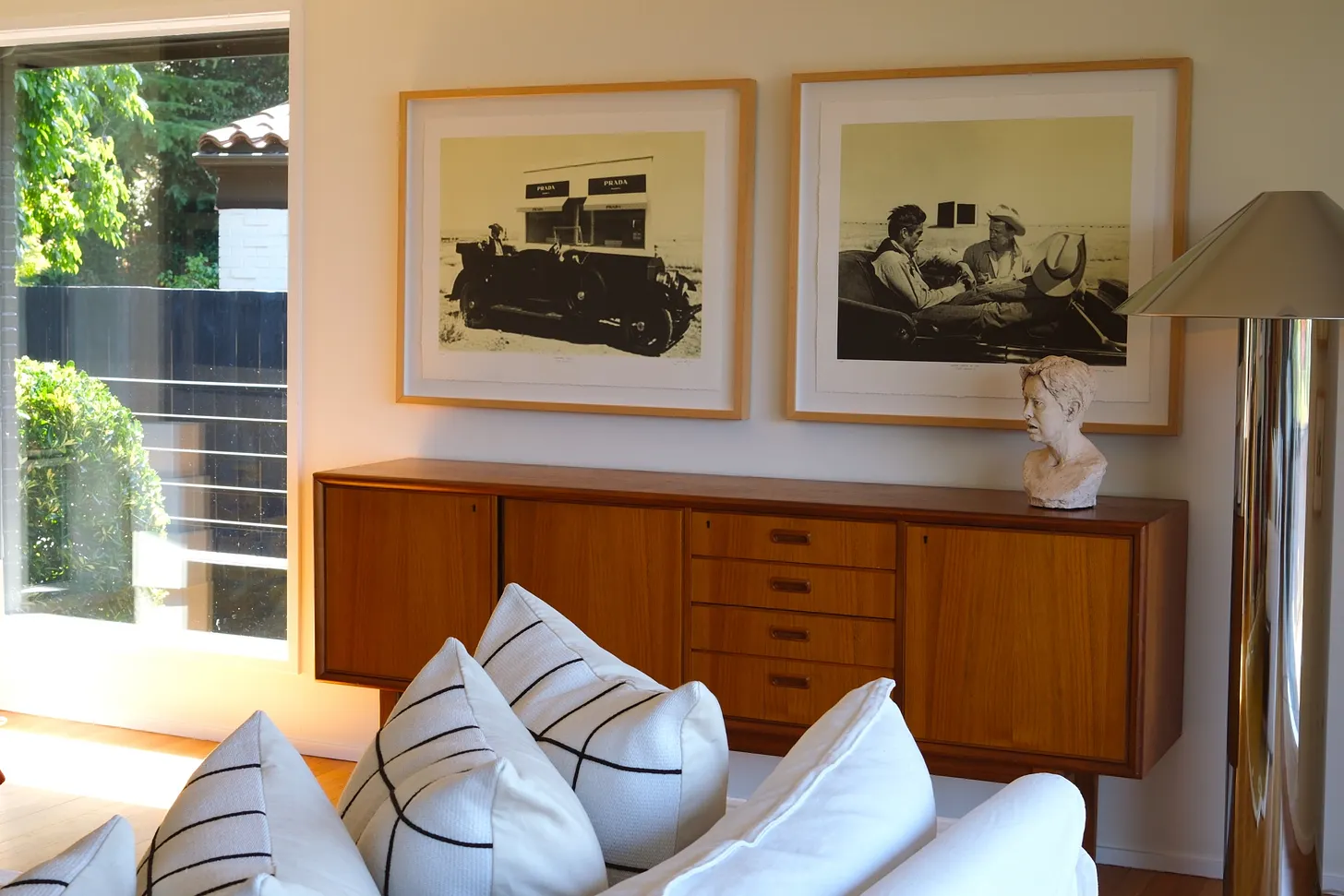
What I’m most grateful for, and couldn’t have expected, is that I’ve really learned to march to the beat of my own drum in terms of taste. I don’t care what other people think about what I collect, and I never tone it down. I can’t imagine picking art “to match the furniture,” and that thrills me. I can feel myself gravitating toward weirder, more uncomfortable pieces that make you think. The best part about collecting is that it’s forever. I’m 29, and I feel like I’m just getting started. If I’m lucky enough to live to 85, I hope to look around at my art collection and go, “well, this is weird as hell….”
What I love most about Emily’s approach to collecting is that there’s no attempt to make it all make sense. Her collection is decisive, incoherent, feminist and completely her own. She’s not collecting to create a perfectly cohesive room; but she still manages to do so.
Want to see more of Emily’s work (and follow along with her art-forward approach to design)? You can find her on Substack, Instagram, and TikTok.
A Finer Eye is a reader-supported publication. To receive new posts and support my work, consider becoming a free or paid subscriber.
WEEKLY ON SUBSTACK
Art Is the New Wellness
What if looking at art is as good for you as going to the gym? The research is more convincing than you'd expect.
Art Is the New Wellness
What if looking at art is as good for you as going to the gym? The research is more convincing than you'd expect.
Art Is the New Wellness
What if looking at art is as good for you as going to the gym? The research is more convincing than you'd expect.